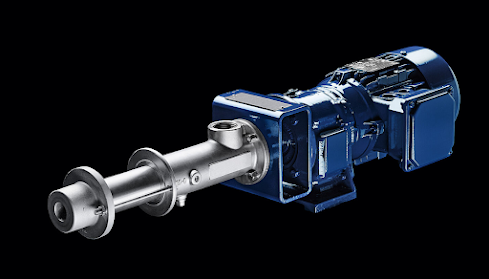
Screw Pump Diagram
Screw Pump Diagram
Introduction
A screw pump is a positive displacement pump that uses two or more screws to move fluids or materials along an axis. It is widely used in various industries, including oil and gas, food processing, and wastewater treatment. In this article, we will discuss the components, working principle, advantages, and applications of screw pumps.

Components of Screw Pump
- A screw pump consists of several components such as:
- Screws: Two or more screws are used to move fluids or materials along the axis of the pump.
- Casing: The casing encloses the screws and forms a chamber where the fluid or material is transported.
- Bearings: Bearings support the rotating screws and reduce friction and wear.
- Drive: A drive mechanism rotates the screws and moves the fluid or material through the pump.

The working principle of a screw pump is based on the movement of screws inside a cylindrical cavity. As the screws rotate, they create a vacuum at the inlet of the pump, which draws the fluid or material into the cavity. The fluid or material is then trapped between the threads of the screws and the casing, and it is pushed out of the outlet as the screws continue to rotate.
Advantages of Screw Pump
- Screw pumps offer several advantages over other types of pumps, including:
- High efficiency: Screw pumps have high volumetric efficiency, which means they can move large volumes of fluid with minimum energy consumption.
- Low noise: Screw pumps operate quietly, making them suitable for use in residential areas.
- Self-priming: Screw pumps can self-prime, which means they can start pumping without the need for additional priming equipment.
- Minimal pulsation: Screw pumps produce minimal pulsation, which reduces the risk of damage to the fluid being pumped.
Applications of Screw Pump
- Screw pumps are used in a wide range of applications, including:
- Oil and gas industry: Screw pumps are used to transport crude oil, refined petroleum products, and natural gas.
- Food processing industry: Screw pumps are used to move viscous fluids, such as chocolate, cream, and dough.
- Wastewater treatment: Screw pumps are used to move sludge and other materials in wastewater treatment plants.
- Chemical industry: Screw pumps are used to move various chemicals, including acids, alkalis, and solvents.
Conclusion
Screw pumps are a reliable and efficient pumping solution for various industries. They offer several advantages over other types of pumps, including high efficiency, low noise, self-priming, and minimal pulsation. With their wide range of applications, screw pumps are an essential component in many industrial processes.


Comments
Post a Comment